Business analysis & discovery
Map the customer journey, current processes, workarounds, decisions and handoffs before turning them into system requirements.
 Book a conversation
 Salesforce consulting · Design & implementation
YPP Consulting is a Salesforce consulting partner for growing and mid-sized organisations across the UK. I design and deliver Salesforce around the work that needs to happen, the information people need and the outcomes the business is trying to achieve.
That starts before configuration. We understand the process, data, ownership and wider technology landscape first, then build the platform and delivery team around what the organisation can genuinely use and sustain.
 Business transformation first. Salesforce designed around it.
Where implementations lose their way
Salesforce programmes become expensive when the platform is asked to compensate for decisions the business has not made. The build gets moving, but the same gaps appear in a more polished interface.
A foundations-first implementation makes those decisions visible early, while there is still time to design the right answer.
What I lead
The person shaping the brief stays close to delivery, so business intent is not diluted between discovery, design and build.
Map the customer journey, current processes, workarounds, decisions and handoffs before turning them into system requirements.
Design how teams, roles, processes, controls and Salesforce should work together, including what belongs outside the platform.
Define the data model, ownership, migration, reporting and integrations needed for information to remain dependable across the customer lifecycle.
Lead the build through prioritisation, decision-making, testing and release, keeping the solution connected to the original business outcomes.
Prepare people for the new way of working, establish ownership and give the organisation a practical route for improving Salesforce after launch.
The Salesforce landscape
Sales Cloud, Service Cloud, Revenue Cloud and Experience Cloud designed around a coherent customer journey.
Salesforce's data platform, formerly Data Cloud, used where unifying and activating information supports a defined business outcome.
Agentforce, AIforce and Claudeforce considered as part of the workflow, with dependable data, actions, permissions and human oversight beneath them. For work that extends beyond Salesforce, explore AI transformation consulting.
Integrations and system boundaries designed deliberately, so Salesforce has a clear role rather than becoming the place every problem is pushed into.
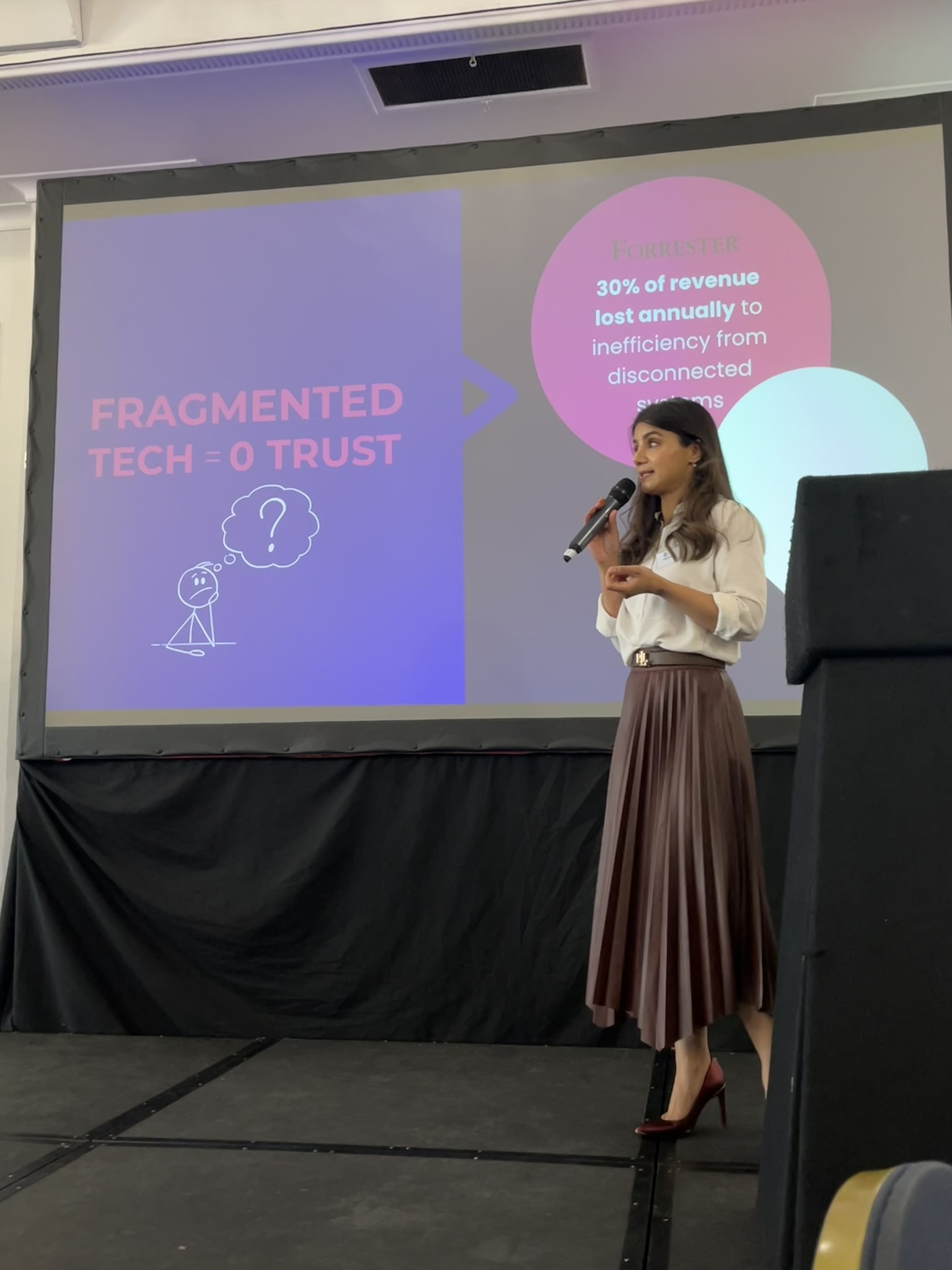 One accountable lead.
A flexible implementation network
I remain accountable for discovery, design and delivery decisions, then bring in trusted implementation specialists matched to the scope, pace and budget.
That can mean working alongside your internal Salesforce team, partnering with an existing supplier or assembling a focused delivery team from my wider network. You get continuity in the strategy without paying for capacity the programme does not need.
How the work moves
Each stage creates what the next one needs, with business and technical decisions kept connected.
Selected Salesforce work
Operating design, data and adoption treated as part of the implementation, not as tasks to tidy up later.

Brand-aware routing, Dotdigital integration, shared reporting and a Salesforce model flexible enough to serve distinct businesses.

Commercial operating redesign, integrated Salesforce delivery and company-wide enablement resulting in full adoption.

End-to-end business analysis, future architecture, data readiness and a sequenced roadmap across the customer lifecycle.
Salesforce FAQs
Yes. I can lead discovery, solution design, programme decisions and delivery governance through to launch and adoption. I bring implementation specialists from my partner network into the team where the scope requires configuration, development, integration or migration capacity.
Yes. I can act as the business-facing transformation and solution lead alongside an existing partner or internal Salesforce team. This is particularly useful when the technical capacity exists but the programme needs stronger discovery, operating design, prioritisation or decision ownership.
The work commonly spans Sales Cloud, Service Cloud, Revenue Cloud, Experience Cloud, Data 360 and Salesforce's agent capabilities. The product mix is determined by the business process and information needs rather than by trying to use the broadest possible set of licences.
Yes. I help organisations identify where agents or AI-assisted workflows are genuinely useful, prepare the process and data beneath them and design the controls around their actions. The Salesforce AI landscape is moving quickly, so the exact capability is selected only after the use case, architecture and operating implications are clear.
A recovery engagement can assess the process, data, configuration, delivery model and adoption issues without assuming the answer is a complete rebuild. The result is a prioritised recovery plan and, where needed, hands-on leadership to stabilise and improve the programme.
Yes. I have a broad implementation partner network, which means the delivery team can be shaped around the complexity, pace and budget of the work. The aim is to protect the quality of the analysis and design while using specialist build capacity proportionately.
I work primarily with growing and mid-sized organisations, typically from around 50 people upwards. The strongest fit is a business where growth has made the customer journey, data, systems or ownership more complex than the current operating model can comfortably support.
A straightforward first conversation
Book a straightforward conversation about what you are trying to achieve, what may get in the way and whether I can help.
Book a conversation